

Influencer Marketing for Ecommerce – Driving Sales Globally
Explore influencer marketing for ecommerce, key types, success strategies, legal compliance, risks, costs, and common mistakes brands must avoid.
Start reading
Nearly 90 percent of e-commerce managers now believe influencer marketing has more impact than traditional ads, especially when targeting niche audiences like south-african online shoppers. With digital competition increasing across Europe, North America, and Asia, understanding how influencers drive authentic connections is crucial for long-term growth. This guide breaks down advanced influencer marketing strategies so you can master brand partnerships, build trust, and convert loyal customers on a global stage.
Table of Contents
- What Is Influencer Marketing for Ecommerce
- Key Influencer Categories and Platforms
- Essential Processes for Campaign Success
- Legal, Regulatory, and Ethical Compliance
- Risks, Budgeting, and Common Pitfalls
Key Takeaways
| Point | Details |
|---|---|
| Influencer Marketing’s Essence | Brands collaborate with social media personalities to create authentic content that resonates with consumers, moving beyond traditional advertising. |
| Selecting the Right Influencers | Focus on engagement rates and audience relevance rather than just follower counts to maximise marketing effectiveness. |
| Campaign Success Metrics | Establish clear key performance indicators (KPIs) to measure engagement, conversion rates, and audience sentiment for effective campaign evaluation. |
| Compliance and Ethical Standards | Adhere to legal and ethical guidelines to ensure transparency and maintain trust between brands and consumers in influencer partnerships. |
What Is Influencer Marketing for Ecommerce
Influencer marketing represents a strategic digital approach where brands partner with social media personalities to promote products and drive online sales. This sophisticated marketing technique leverages the social media influencers’ credibility and audience reach to connect brands directly with potential consumers through authentic, personalised content.
At its core, influencer marketing transforms traditional advertising by replacing corporate messaging with human-driven storytelling. Influencers create sponsored content across platforms like Instagram, YouTube, and TikTok, sharing product recommendations that feel genuine and relatable. Unlike traditional advertising, these endorsements come from trusted voices who have cultivated significant audience engagement and trust.
The global influencer marketing landscape has rapidly evolved, driven by emerging technologies and changing consumer behaviour. Research demonstrates that strategic influencer partnerships can effectively shape consumer demand worldwide, allowing ecommerce brands to target specific demographics with unprecedented precision. Successful influencer collaborations depend on finding creators whose audience, values, and content style align closely with the brand’s identity and marketing objectives.

Pro Tip: When selecting influencers, prioritise engagement rates and audience relevance over pure follower numbers to ensure more authentic and effective marketing partnerships.
Key Influencer Categories and Platforms
Influencer marketing encompasses a diverse ecosystem of content creators who leverage various social media platforms to connect brands with targeted audiences. Social media influencers represent a wide spectrum of professionals, ranging from dedicated content creators to internet celebrities, each specialising in unique niches and communication styles that resonate with specific demographic groups.
The primary platforms for influencer marketing include Instagram, YouTube, TikTok, and Pinterest, with each offering distinct engagement opportunities. Instagram remains the dominant platform for brand collaborations, particularly in fashion, lifestyle, and beauty sectors. YouTube excels in long-form content and product reviews, while TikTok has emerged as a powerhouse for short-form, viral marketing targeting younger audiences. The influencer economy involves strategically matching brand owners with appropriate influencers based on audience size and product characteristics.
Key influencer categories include macro-influencers with large followings (100,000-1 million), micro-influencers with highly engaged niche audiences (10,000-100,000 followers), and nano-influencers who have smaller but extremely loyal communities. Each category offers unique advantages for ecommerce brands seeking targeted marketing approaches. Industry-specific influencers like tech reviewers, fitness enthusiasts, travel bloggers, and beauty experts provide nuanced marketing opportunities across different consumer segments.
Here is a quick comparison of influencer categories and their marketing impact:
| Influencer Type | Audience Size | Engagement Strength | Best Used For |
|---|---|---|---|
| Nano-influencer | Under 10,000 | Highly personal | Niche markets |
| Micro-influencer | 10,000-100,000 | Very targeted and active | Specialist products |
| Macro-influencer | 100,000-1 million | Broad but less personal | Brand awareness campaigns |
| Industry Expert | Varies per niche | Trust-driven recommendations | Technical or professional goods |
Pro Tip: Develop a comprehensive influencer tracking spreadsheet that documents potential collaborators’ engagement rates, audience demographics, and content alignment to streamline your selection process.
Essential Processes for Campaign Success
Successful influencer marketing requires a strategic approach that prioritises authenticity and precise alignment between brands and content creators. The foundation of any effective campaign lies in meticulously selecting influencers who genuinely resonate with the brand’s core values and target audience, ensuring that sponsored content feels organic and credible.
The campaign development process involves several critical steps. First, brands must conduct comprehensive research to identify influencers whose audience demographics precisely match their target market. Audience Alignment becomes crucial, requiring detailed analysis of follower engagement, content style, and previous brand collaboration histories. Building consumer trust through real-time interaction and genuine content remains paramount in online marketing strategies.
Key performance metrics for measuring campaign success include engagement rates, conversion tracking, and return on investment (ROI). Brands should establish clear key performance indicators (KPIs) before launching campaigns, such as tracking click-through rates, sales generated, and audience sentiment. Transparency in sponsored content, clear communication guidelines, and performance benchmarking help create sustainable influencer partnerships that deliver measurable business outcomes.
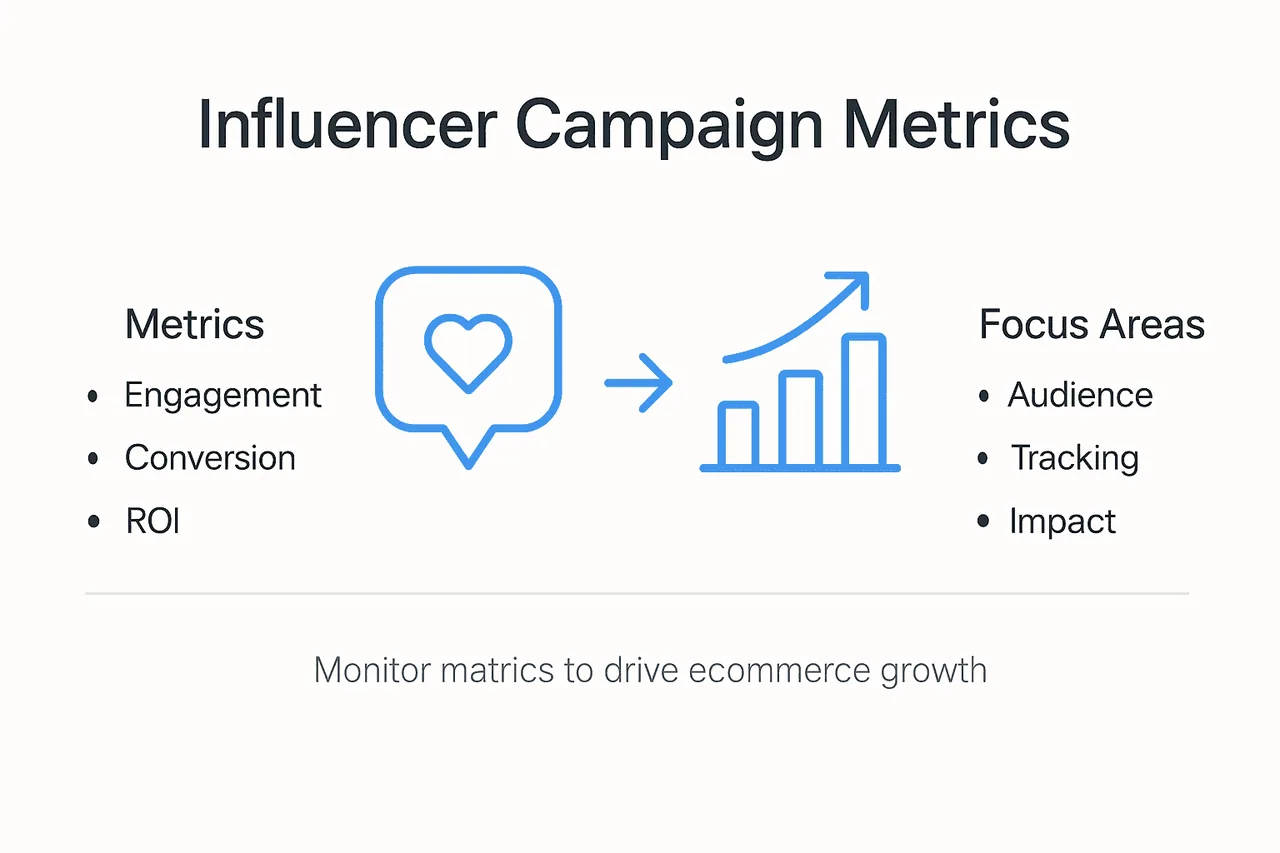
Below is a summary of key campaign performance metrics and their importance:
| Metric | What It Measures | Business Impact |
|---|---|---|
| Engagement Rate | User interaction | Shows audience relevance |
| Conversion Rate | Sales and sign-ups | Direct return on investment |
| Click-through Rate | Link activity | Indicates call-to-action success |
| Audience Sentiment | Consumer perception | Drives brand reputation |
Pro Tip: Create a comprehensive influencer brief that includes specific content guidelines, brand messaging parameters, and expected performance metrics to ensure alignment and campaign success.
Legal, Regulatory, and Ethical Compliance
Influencer marketing requires stringent adherence to legal guidelines that ensure transparency and protect consumer interests, making compliance a critical component of any successful digital marketing strategy. Brands and content creators must navigate a complex landscape of regulations designed to maintain ethical standards and protect audience trust.
Key compliance requirements include mandatory disclosure of material connections between brands and influencers. Sponsorship Transparency demands that all sponsored content clearly communicate the financial or personal relationships underlying the collaboration. This means explicitly stating when content is a paid promotion, using clear language like “sponsored” or “paid partnership” to ensure consumers can make informed decisions about the endorsements they encounter.
Special regulations also govern the involvement of underage influencers, establishing protective frameworks to prevent exploitation and ensure fair commercial practices. These guidelines require parental consent, income transparency, and strict monitoring of content creation involving minors. Brands must implement robust verification processes to confirm the age and legal status of influencers, particularly when targeting younger audiences or using influencers who may be minors.
Pro Tip: Develop a comprehensive compliance checklist that includes legal disclosure requirements, age verification processes, and content review protocols to mitigate potential regulatory risks.
Risks, Budgeting, and Common Pitfalls
Influencer marketing budgeting requires sophisticated strategic planning to optimise investment and minimise potential financial risks, with brands needing comprehensive approaches to allocate resources effectively across diverse marketing channels. Understanding the complex financial landscape is crucial for sustainable campaign development.
Campaign Economics demand careful consideration of multiple financial factors. Brands must navigate potential pitfalls such as inflated influencer costs, unrealistic performance expectations, and market saturation. Emerging technologies are reshaping the influencer marketplace, creating dynamic shifts in bargaining power and competitive landscapes, which directly impact budgeting strategies and potential return on investment.
Key risk mitigation strategies include diversifying influencer partnerships, establishing clear performance metrics, and implementing flexible budget allocation models. Brands should develop comprehensive financial frameworks that account for varying influencer rates, potential engagement fluctuations, and platform-specific advertising costs. Critical considerations include tracking cost per engagement, monitoring audience authenticity, and maintaining adaptable contractual arrangements that protect against underperformance or sudden market changes.
Pro Tip: Create a dynamic budgeting spreadsheet with contingency columns that allow rapid reallocation of marketing funds based on real-time campaign performance metrics.
Unlock the Power of Influencer Marketing with Cutting-Edge Digital Solutions
Influencer marketing offers ecommerce brands a unique opportunity to build authentic connections and drive sales through trusted voices. However, the challenge lies in creating a seamless online presence that complements your influencer campaigns and boosts customer engagement. Key pain points such as aligning your brand identity, ensuring clear sponsorship transparency, and tracking campaign performance require a robust digital foundation that works flawlessly across platforms.
At Cloudfusion, we understand the importance of integrating your influencer marketing efforts within a scalable and custom-built website or mobile app designed specifically for your business needs. From strategic web development to reliable cloud services and effective branding, our comprehensive solutions help you amplify influencer engagement while maintaining brand trust and regulatory compliance. Take the next step to elevate your ecommerce strategy with a bespoke online platform that supports every facet of your influencer campaigns.
Ready to transform your influencer marketing into measurable business growth Why not get a web design and development quotation today Explore how tailored digital solutions can increase conversion rates, improve audience interaction, and solidify your market position. Don’t wait to harness the full potential of influencer partnerships Visit Cloudfusion and start building your future-proof ecommerce presence now.
Frequently Asked Questions
What is influencer marketing and how does it work for ecommerce?
Influencer marketing is a strategic approach where brands partner with social media personalities to promote products. This technique leverages the influencer’s credibility and audience reach, allowing brands to connect authentically with potential consumers through personalized content.
How can I choose the right influencer for my ecommerce brand?
To select the right influencer, prioritize engagement rates and audience relevance over follower numbers. Look for influencers whose values, content style, and audience demographics align closely with your brand’s identity and marketing objectives to ensure effective collaborations.
What key performance metrics should I track in an influencer marketing campaign?
Key performance metrics include engagement rates, conversion rates, click-through rates, and audience sentiment. Establishing clear KPIs before launching campaigns allows brands to measure success and improve future marketing strategies effectively.
What are the legal requirements for influencer marketing?
Legal requirements include the mandatory disclosure of any material connections between brands and influencers. Sponsored content should clearly state when it is a paid promotion, using language like “sponsored” or “paid partnership” to maintain transparency and protect consumer trust.