

Content Marketing Explained: Driving Digital Growth
Content marketing explained for SA businesses. Learn strategy types, audience targeting, real-world applications, common mistakes, and ROI factors.
Start reading
Over seventy percent of South African businesses report increased customer loyalty through consistent content marketing efforts. As digital competition grows, standing out means going far beyond standard ads. Authentic, helpful content can be the key for any South African brand striving to build real relationships in today’s crowded marketplace. Discover how the right content strategy sets businesses apart and drives long-lasting trust with customers.
Table of Contents
- What Content Marketing Means For Businesses
- Types Of Content Marketing Strategies
- Building Audiences With Valuable Content
- Real-World Applications Across Industries
- Common Pitfalls And How To Avoid Them
Key Takeaways
Point | Details |
|---|---|
Strategic Approach | Content marketing focuses on creating valuable content to engage audiences rather than traditional sales tactics. |
Audience-Centric Content | Understanding the specific needs of your target audience is crucial for creating relevant and impactful content. |
Diverse Media Utilisation | Successful content marketing employs various formats, including blogs, videos, and social media, to reach and engage different audience segments. |
Avoiding Common Pitfalls | Businesses should prioritise audience-first strategies and avoid promotional overload to build trust and establish credibility effectively. |
What Content Marketing Means For Businesses
Content marketing represents a strategic approach that goes beyond traditional advertising by focusing on creating and distributing valuable, relevant content designed to attract and engage a specific target audience. Unlike direct sales tactics, this method builds genuine connections with potential customers through informative and meaningful communication.
At its core, content marketing involves creating valuable content that consumers actively seek out, transforming how businesses communicate their value proposition. The strategy recognises that modern consumers prefer authentic, helpful information over aggressive sales pitches. By providing insights, solving problems, and addressing customer pain points, businesses can establish trust and credibility in their industry.
Successful content marketing typically involves multiple channels and formats, including:
- Blog articles that demonstrate industry expertise
- Informative social media posts
- Video tutorials and explainer content
- Comprehensive white papers and research reports
- Podcast episodes exploring industry trends
The ultimate goal of content marketing is not immediate sales, but rather building long-term relationships with potential customers. By consistently delivering high-quality, relevant content, businesses position themselves as thought leaders and trusted advisors. This approach naturally attracts and nurtures leads, creating a sustainable marketing strategy that resonates with today’s information-hungry consumers.
Types Of Content Marketing Strategies
Content marketing strategies encompass a diverse range of approaches designed to engage and attract potential customers through valuable, targeted content. These strategies include multiple media formats that help businesses communicate their value proposition effectively, ensuring meaningful interactions with their target audience.
One comprehensive framework for understanding content marketing strategies is the PESO Model, which categorises media into four distinct types:
- Paid Media: Sponsored content and social media advertising
- Earned Media: Third-party publications and press coverage
- Shared Media: Social media interactions and user-generated content
- Owned Media: Company-controlled channels like websites and blogs
Beyond the PESO framework, businesses can leverage various content types to achieve their marketing objectives. These include:
- Blog posts and articles demonstrating thought leadership
- Informative video tutorials and explainer content
- Engaging podcasts exploring industry insights
- Data-rich infographics presenting complex information visually
- Comprehensive white papers and research reports
Successful content marketing requires a strategic approach that aligns content creation with specific business goals. By understanding audience preferences and creating high-quality, relevant content across multiple channels, organisations can build trust, establish credibility, and naturally attract potential customers through valuable, informative communication.

Building Audiences With Valuable Content
Building audiences through content marketing requires a strategic approach that goes beyond simple promotional messaging. Effective content marketing builds relationships by offering content that resonates deeply with the target audience, creating meaningful connections that transform casual readers into loyal supporters.
Successful audience building involves several critical strategies:
- Understanding your target demographic’s specific needs and preferences
- Creating high-value content that addresses genuine pain points
- Developing a consistent content publishing schedule
- Engaging directly with audience feedback and comments
- Maintaining an authentic and transparent communication style
To truly connect with potential customers, businesses must focus on creating content that provides genuine value. This means producing materials that are not just informative, but also entertaining, insightful, and directly relevant to the audience’s interests. Whether through in-depth blog posts, engaging video content, or interactive social media discussions, the goal is to establish your brand as a trusted resource that audiences actively seek out.
Ultimately, audience building is about establishing trust and credibility. By consistently delivering content that demonstrates expertise, solves problems, and speaks directly to audience needs, businesses can create a loyal community of followers who not only consume content but actively share and recommend it to others. This organic growth becomes a powerful marketing engine that extends far beyond traditional advertising approaches.
Real-World Applications Across Industries
Content marketing has evolved far beyond traditional advertising, demonstrating remarkable versatility across diverse industry sectors. Each industry adapts content marketing strategies to address unique audience needs and communication challenges, transforming how businesses engage with potential customers.
In the education sector, for instance, universities leverage sophisticated content marketing approaches like creating interactive content and producing engaging educational videos. These strategies serve multiple purposes:
- Simplifying complex information through infographics
- Showcasing institutional personality and values
- Providing practical guidance to prospective students
- Building trust through authentic storytelling
- Increasing institutional visibility
Technology, healthcare, finance, and retail sectors have similarly customised content marketing techniques. Technology companies often use technical whitepapers and detailed case studies, while healthcare organisations focus on creating informative, accessible content that addresses patient concerns. Financial institutions develop educational content explaining complex investment strategies, and retail brands craft storytelling content that highlights product experiences and customer journeys.
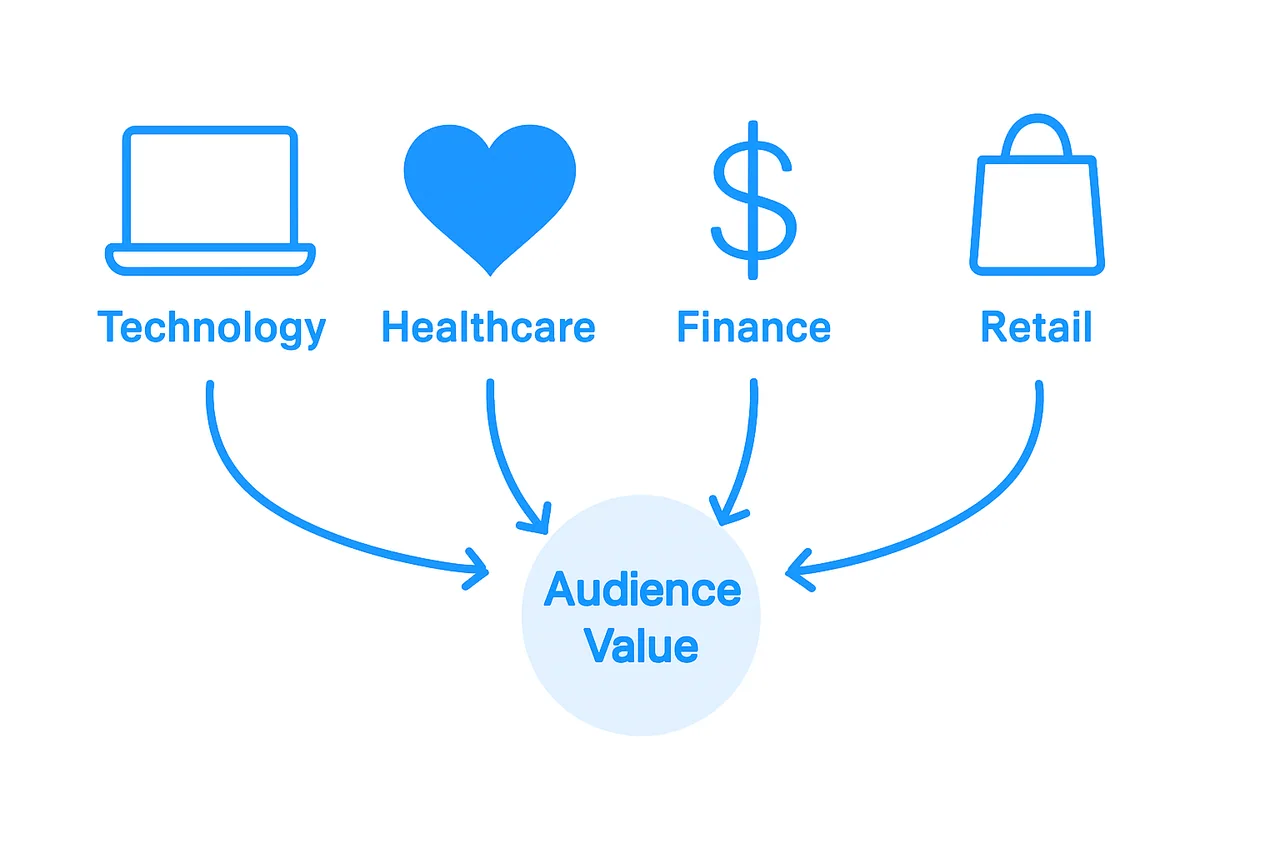
Successful content marketing transcends industry boundaries by maintaining a core principle: delivering genuine value. By understanding specific audience needs, businesses can craft targeted content that not only informs but also builds lasting relationships, transforming passive consumers into engaged brand advocates.
Common Pitfalls And How To Avoid Them
Content marketing success hinges on avoiding critical mistakes that can derail even the most well-intentioned strategies. Businesses often fail by not understanding their target audience’s fundamental needs and preferences, which undermines the entire content development process.
Key pitfalls to navigate include:
- Misunderstanding Audience Needs: Creating content without deep audience research
- Promotional Overload: Focusing exclusively on selling rather than providing value
- Inconsistent Publishing: Irregular content schedules that confuse followers
- Neglecting Data Analysis: Failing to track content performance and audience engagement
- One-Dimensional Content: Using a single format instead of diverse content types
Successful content marketing requires a strategic approach that prioritises genuine audience value. This means moving beyond simplistic sales pitches and developing a nuanced understanding of what truly matters to your target demographic. Businesses must invest time in creating detailed buyer personas, conducting thorough market research, and continuously refining their content strategy based on real-world feedback and performance metrics.
Ultimately, avoiding content marketing pitfalls is about maintaining an audience-first perspective. By consistently delivering informative, engaging, and relevant content that addresses genuine user needs, businesses can build trust, establish thought leadership, and create meaningful connections that transcend traditional marketing approaches.
Elevate Your Content Marketing with Tailored Digital Solutions
The challenge of consistently producing valuable, relevant content that truly engages your audience requires more than just a strategy It demands a strong and scalable digital foundation that supports diverse content formats and seamless user experiences At Cloud Fusion we understand that overcoming common pitfalls like inconsistent publishing and one-dimensional content means having a website and digital platforms that reflect your brand’s authority and foster genuine connections
Explore how our custom web design and development services can help you build that strategic foundation Our expert team crafts solutions designed to align with your audience’s unique needs and business goals Whether you want to enhance your website’s functionality, create engaging multimedia content, or streamline digital marketing efforts you can rely on Web Design and Development Solutions to empower your content strategy Now is the time to transform your content marketing into a powerful tool for digital growth Visit Cloud Fusion today and start building a digital presence that truly resonates with your target market
Frequently Asked Questions
What is content marketing?
Content marketing is a strategic approach that focuses on creating and distributing valuable, relevant content to attract and engage a specific target audience, rather than relying on traditional advertising methods.
How can content marketing benefit my business?
Content marketing helps build genuine connections with potential customers by providing useful and informative content, establishing trust and credibility, and ultimately nurturing leads for long-term relationships rather than immediate sales.
What types of content can I use for my marketing strategy?
You can use various types of content, such as blog articles, video tutorials, podcasts, infographics, and comprehensive white papers. Diverse formats can help engage your audience effectively across multiple channels.
What are the common mistakes to avoid in content marketing?
Common pitfalls include misunderstanding audience needs, focusing too much on promotional content, being inconsistent with publishing, neglecting data analysis, and using only one content format. Avoiding these errors can enhance the effectiveness of your content marketing strategy.