

How to Generate Online Leads for Business Growth
Discover how to generate online leads with this step-by-step guide. Learn actionable tactics for businesses to build a high-performing digital sales pipeline.
Start reading
Over 60 percent of website visitors now come from mobile devices, yet many south-african businesses still struggle to turn this traffic into real leads. In a digital world filled with options, standing out and converting interest into action is tougher than ever. This guide shares clear, practical steps to help south-african companies define their audience, optimise their digital presence, and drive measurable results with online lead generation.
Table of Contents
- Step 1: Define Your Target Audience And Set Lead Goals
- Step 2: Optimise Your Website And Digital Presence
- Step 3: Create Compelling Offers And Landing Pages
- Step 4: Promote Using Multi-Channel Digital Marketing
- Step 5: Track Lead Sources And Analyse Performance
Quick Summary
| Key Point | Explanation |
|---|---|
| 1. Define your target audience | Identify who your ideal customers are and analyse their demographics and interests for effective targeting. |
| 2. Optimise your digital presence | Ensure your website is mobile-friendly and performs well to enhance user experience and attract leads. |
| 3. Create compelling landing pages | Design offers and landing pages that clearly communicate value and minimise distractions to improve conversion rates. |
| 4. Implement multi-channel marketing | Use diverse digital platforms to reach potential leads, tailoring content for each channel to maximise engagement. |
| 5. Track and analyse performance | Monitor lead sources and metrics systematically to make data-driven improvements to your lead generation strategy. |
Step 1: Define your target audience and set lead goals
Successfully generating online leads starts with understanding exactly who might buy your product or service. This step involves creating a precise profile of your ideal customer and establishing clear, measurable goals for lead acquisition.
Begin by conducting a comprehensive analysis of your potential customer base. Segmenting your audience requires examining demographic characteristics like age, location, professional background, and specific interests. Think beyond basic categories and dive deep into understanding their motivations, challenges, and preferences. Are they small business owners seeking digital solutions? Corporate executives wanting technological upgrades? Startup founders looking for scalable infrastructure?
Once you have a clear audience profile, set specific lead generation goals using the SMART framework: Specific, Measurable, Achievable, Relevant, and Time-bound. For instance, instead of saying “get more leads,” establish a concrete target like “acquire 50 qualified technology service leads within the next quarter, with a conversion rate of at least 15%.” This approach transforms vague aspirations into actionable strategies.
Pro tip: Regularly review and refine your target audience profile. Markets evolve, and your ideal customer today might look different in six months. Stay agile and be prepared to adjust your targeting strategy based on actual performance data.
With a well-defined audience and clear goals, you are now ready to explore strategic lead generation tactics that will help your business grow effectively.
Step 2: Optimise your website and digital presence
Transforming your digital presence requires a strategic approach that goes beyond simply having a website. Your online platform must serve as a powerful tool for attracting and converting potential leads, creating a seamless experience that compels visitors to engage with your business.
Ensuring mobile friendly design is critical in today’s digital landscape. More than 60% of internet traffic comes from mobile devices, so your website must adapt smoothly across smartphones, tablets, and desktops. Focus on responsive layouts that automatically adjust screen elements, maintain readable text sizes, and provide intuitive navigation regardless of device type. Speed matters tremendously website visitors will abandon a page that takes more than three seconds to load, making website performance optimization absolutely essential.
Search engine optimization remains a fundamental strategy for increasing your digital visibility. Implement targeted keywords, create high quality content that answers user questions, and ensure your website architecture supports smooth indexing by search engines. Professional SEO practices help you appear on the first page of Google search results, dramatically increasing your chances of attracting qualified leads.

Pro tip: Regularly audit your website performance using tools like Google Analytics. Track metrics such as bounce rate, average session duration, and conversion rates to continuously refine your digital strategy.
With an optimised website and robust digital presence, you are now prepared to develop targeted content that speaks directly to your ideal customer segments.
Step 3: Create compelling offers and landing pages
Converting online leads requires crafting irresistible offers and strategically designed landing pages that speak directly to your potential customers needs and desires. Your goal is to create a compelling narrative that transforms casual website visitors into committed prospects.
Creating high quality content is the foundation of an effective landing page. Develop a clear value proposition that immediately communicates the unique benefits of your offer. Use concise language that highlights what makes your solution different from competitors. Structure your page with a prominent headline that captures attention, followed by bullet points that outline specific advantages. Understand landing page design principles that guide visitor attention towards your primary call to action.
Each landing page should focus on a single objective with minimal distractions. Remove navigation menus, sidebars, and unnecessary links that might dilute your message. Include social proof such as client testimonials, case studies, or performance metrics to build credibility. Implement trust signals like security badges, industry certifications, and customer logos that reassure potential leads about your professionalism and reliability.
Pro tip: A/B test different variations of your landing pages to understand which elements resonate most with your target audience. Small changes in headline wording, image selection, or button colour can dramatically improve conversion rates.
With compelling offers and optimised landing pages, you are now ready to implement targeted lead capture strategies that transform interested visitors into potential customers.
Step 4: Promote using multi-channel digital marketing
Successfully generating online leads requires a sophisticated approach to digital marketing that reaches potential customers across multiple platforms and touchpoints. Your goal is to create a cohesive strategy that amplifies your message and increases visibility across different digital channels.
Developing a comprehensive content calendar helps streamline your multi-channel marketing efforts. Begin by identifying the platforms most relevant to your target audience social media channels, email marketing, search engine advertising, and content marketing websites. Create a strategic mix of content types including short videos, infographics, blog posts, and interactive resources that provide genuine value to your potential leads. Explore digital marketing channels that align with your business objectives and audience preferences.
Each digital channel requires a nuanced approach tailored to its unique audience and communication style. On social media platforms, focus on engaging content that encourages interaction. For email marketing, craft personalised messages that speak directly to specific customer segments. Implement search engine marketing strategies that position your content prominently when potential leads are actively searching for solutions like yours.
Pro tip: Track performance metrics across all channels and be prepared to pivot your strategy. Some platforms will naturally perform better than others for your specific business niche.
With a robust multi-channel digital marketing approach, you are now equipped to systematically attract and nurture potential leads through diverse online touchpoints.
Step 5: Track lead sources and analyse performance
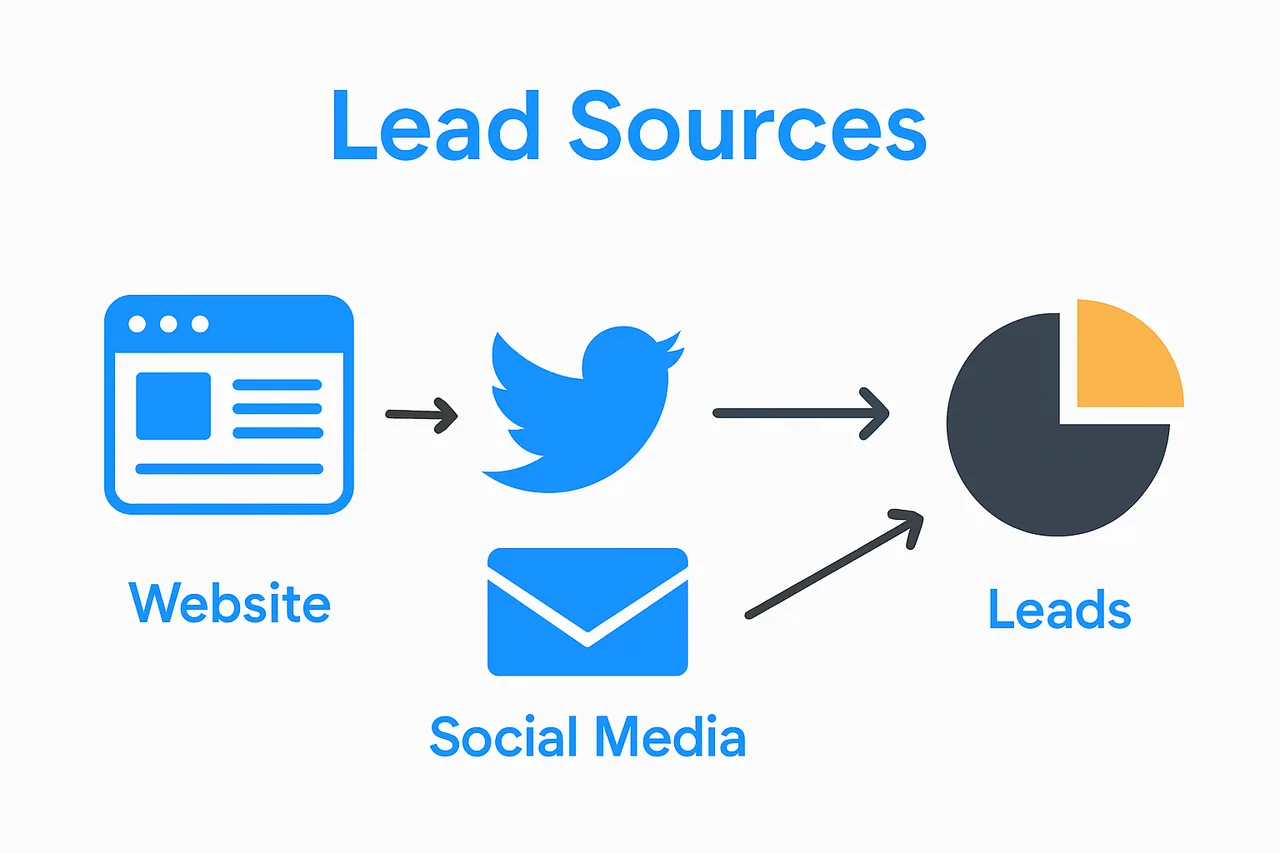
Successful online lead generation demands rigorous tracking and continuous performance analysis. Your ability to understand where leads originate and how they interact with your digital platforms will directly influence your marketing strategy and business growth.
Website performance metrics provide crucial insights into lead generation effectiveness. Implement robust analytics tools like Google Analytics to track key performance indicators such as traffic sources, conversion rates, user engagement, and bounce rates. Set up custom tracking parameters for each marketing channel to understand precisely which campaigns drive the most qualified leads. Pay special attention to metrics like time spent on page, click through rates, and the specific user journey that leads to conversion.
Develop a systematic approach to data analysis by creating comprehensive dashboards that visualise your lead generation performance. Compare performance across different channels and identify patterns in lead behaviour. Look for trends such as which content types generate the most engagement, which platforms deliver the highest quality leads, and what times of day your audience is most responsive. Use these insights to continuously refine your marketing strategies, reallocate resources, and optimise your lead generation funnel.
Pro tip: Regularly clean and validate your lead data to ensure accuracy. Remove duplicate entries and segment leads based on their quality and potential value to your business.
With a structured approach to tracking and analysing lead sources, you are now prepared to make data driven decisions that will continuously improve your online lead generation efforts.
Elevate Your Online Lead Generation with Custom Digital Solutions
Struggling to define your target audience or create compelling offers that convert website visitors into loyal customers can stall business growth. The article highlights critical challenges such as optimising your website for mobile users, enhancing site speed, and crafting focused landing pages that capture leads effectively. These pain points demand strategic, scalable solutions tailored to your industry and customer needs.
At Cloud Fusion, we understand the urgency of turning online traffic into measurable business outcomes. Our expert team specialises in delivering custom web design and development services that prioritise responsive design, SEO best practices, and high-converting landing pages. Explore how our web design and development services can transform your digital presence today. Start refining your lead generation strategy now by visiting Cloud Fusion for a personalised quotation and take the crucial next step toward sustainable business growth.
Frequently Asked Questions
How can I define my target audience for online lead generation?
To define your target audience, analyse demographic characteristics such as age, location, professional background, and interests. Create a detailed profile of your ideal customer and review it regularly to stay updated with market changes.
What are SMART goals and how do I use them for lead generation?
SMART goals are objectives that are Specific, Measurable, Achievable, Relevant, and Time-bound. For lead generation, set clear targets like “acquire 50 qualified leads within the next quarter with a 15% conversion rate” to provide guidance and direction for your efforts.
What are the best practices for optimising my website for lead generation?
Optimise your website by ensuring it is mobile-friendly, fast-loading, and easy to navigate. Implement search engine optimisation strategies to improve visibility, focusing on relevant keywords and quality content that answers potential customer questions.
How can I create effective landing pages to convert visitors into leads?
Create landing pages with a clear value proposition, minimal distractions, and trust signals like testimonials and industry certifications. Focus on a single objective for each page and A/B test different elements to find what works best for your audience.
What digital marketing channels should I use to promote my lead generation efforts?
Use a mix of channels such as social media, email marketing, and search engine advertising to reach potential leads effectively. Tailor your approach for each channel to engage your audience, such as creating interactive content for social media and personalised emails for direct communication.
How do I track lead sources and measure the performance of my lead generation strategies?
Implement analytics tools to track metrics like traffic sources, conversion rates, and user engagement. Regularly review performance data to identify trends and adjust your marketing strategies effectively, ensuring continuous improvement in your lead generation efforts.