

How to Start a Blog for Business Owners in 2026
Learn how to start a blog with this step-by-step guide for SA startups and tech businesses. Create, design, launch, verify, and grow your business blog easily.
Start reading
More than half of south-african small businesses report that blogging helped increase their customer engagement and online visibility. For startup founders and tech entrepreneurs, building a successful blog is more than just posting updates. It is a strategic move that can boost your credibility with global audiences and attract new clients. This guide shows you how to set a solid foundation for your blog, from defining your audience to optimizing performance, with practical tips tailored for the tech sector.
Table of Contents
- Step 1: Define Your Blogging Purpose And Audience
- Step 2: Choose Your Platform And Secure Hosting
- Step 3: Design Your Blog For Brand Consistency
- Step 4: Create And Publish Your First Posts
- Step 5: Verify Blog Functionality And Performance
Quick Overview
| Essential Insight | Clarification |
|---|---|
| 1. Define your blogging goals | Clarifying your purpose enhances content creation and audience engagement strategies. |
| 2. Know your target audience | Developing detailed reader personas ensures your content meets their specific interests and needs. |
| 3. Choose the right platform | Selecting a suitable blogging platform impacts usability, SEO, and scalability for your blog. |
| 4. Maintain design consistency | Visual brand consistency builds trust and reinforces your professional image across all posts. |
| 5. Regularly test blog performance | Monthly performance audits help identify and resolve technical issues to enhance user experience. |
Step 1: Define your blogging purpose and audience
Starting a business blog requires clarity about why you’re writing and who you’re writing for. Your blog’s success depends on understanding these fundamental aspects. Identifying your purpose and audience will guide your content strategy and help you create meaningful, targeted posts that resonate with your readers.
Begin by asking yourself critical questions about your blog’s goals. Are you aiming to showcase your expertise? Build brand authority? Generate leads? Provide valuable industry insights? WordPress documentation suggests blogs vary widely but maintain specific purposes from personal journals to niche professional topics. Your purpose will determine the type of content you create, your tone, and how you engage with your audience.
To pinpoint your target audience, develop detailed reader personas. Consider their professional backgrounds, challenges, interests, and information needs. If you’re a technology consultant, your audience might be small business owners seeking digital transformation strategies. If you’re a marketing expert, your readers could be entrepreneurs looking to improve their online presence. The more specific you are about who you’re writing for, the more effectively you can craft content that speaks directly to their needs.
Professional Insight: Create a simple spreadsheet tracking your audience personas, including demographics, pain points, and content preferences to keep your blogging strategy laser-focused.
Here’s a summary of common business blog purposes and how they shape your content strategy:
| Blogging Purpose | Typical Audience | Impact on Content |
|---|---|---|
| Showcase expertise | Industry professionals | In-depth guides and analysis |
| Build brand authority | Potential clients | Thought leadership posts |
| Generate leads | Decision-makers | Solution-driven articles |
| Share industry insights | Sector insiders | News and trend commentary |
Step 2: Choose your platform and secure hosting
Selecting the right blogging platform and hosting service is critical for your business blog’s success. Choosing the best blogging platform requires careful consideration of your specific business needs, technical capabilities, and long-term growth strategy.

Your platform selection should balance ease of use with powerful features. Blog services offer different levels of customization and control which can significantly impact your online presence. WordPress remains a top choice for business owners due to its flexibility, extensive plugin ecosystem, and robust content management capabilities. Consider factors like scalability, built-in SEO tools, mobile responsiveness, and integration potential with your existing business systems.
When evaluating hosting providers, prioritise security, uptime reliability, and performance. Look for hosts offering managed WordPress hosting, automatic backups, SSL certificates, and 24/7 technical support. Compare pricing plans, storage limits, bandwidth, and potential scalability options that can accommodate your blog’s future growth. Some providers also offer additional features like one-click WordPress installation and staging environments, which can simplify your technical setup.
Professional Insight: Always purchase hosting for at least one year upfront to secure better pricing and ensure consistent online presence for your business blog.
Below is a comparison of key blogging platforms favoured by businesses:
| Platform | Customisation Level | Integration Potential | SEO Tools Availability |
|---|---|---|---|
| WordPress | Highly customisable | Extensive plugin support | Built-in and plugin-based |
| Wix | Easy to use templates | Basic app integrations | Limited built-in options |
| Ghost | Focus on simplicity | API for developers | SEO optimised by default |
Step 3: Design your blog for brand consistency
Creating a visually consistent blog that reflects your business identity is crucial for building trust and recognition. Brand guidelines define essential design elements that help your audience immediately connect with your professional image and understand your unique value proposition.
Visual consistency reinforces brand recognition across all digital touchpoints. Start by establishing a clear design palette that includes your company colours, typography, logo placement, and imagery style. Ensure your blog’s colour scheme matches your existing business branding precisely. Use the same fonts you employ in other marketing materials and maintain consistent header styles. Your logo should be prominently but tastefully displayed, typically in the header or footer of each blog post.
Think beyond visual elements and consider how your blog’s writing style and tone align with your brand voice. If your business is professional and technical, maintain a formal writing approach. If you are more casual and innovative, let that personality shine through in your content. Consistency in both design and communication builds credibility and helps your readers develop a strong connection with your brand.
Professional Insight: Create a simple brand style guide specifically for your blog to ensure every team member maintains visual and tonal consistency across all content.
Step 4: Create and publish your first posts
Writing and publishing your inaugural blog posts marks the exciting beginning of your business blogging journey. The publishing process involves strategic content creation that serves your audience’s interests and establishes your professional voice.
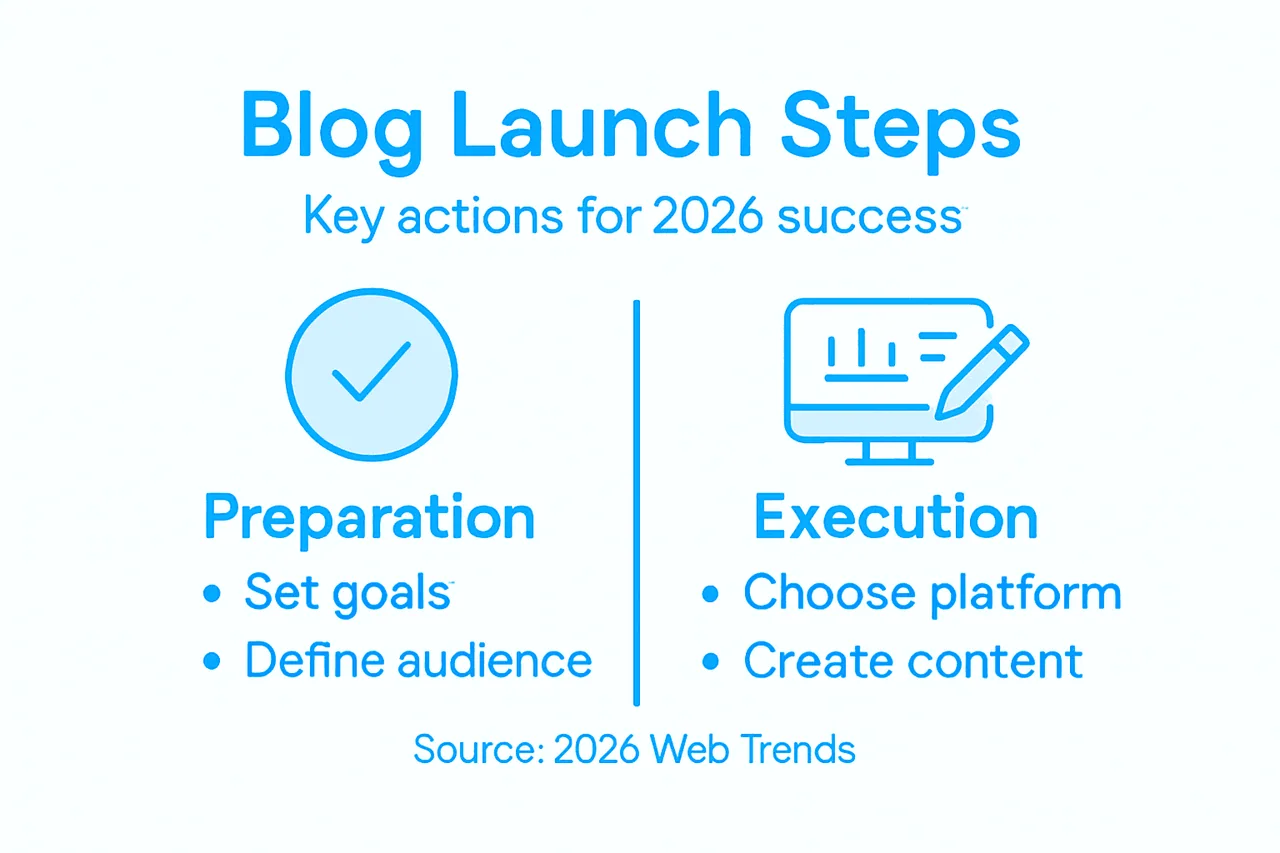
Blog editors offer powerful tools for crafting compelling content that can transform your ideas into engaging posts. Start by identifying topics directly relevant to your target audience’s challenges and interests. Research thoroughly and develop a clear outline before writing. Focus on providing genuine value through practical insights, industry analysis, or problem-solving strategies that showcase your expertise. Incorporate multimedia elements like images, infographics, or embedded videos to enhance reader engagement and break up text-heavy sections.
When drafting your first posts, prioritise clarity and readability. Write in a conversational tone that reflects your brand’s personality while maintaining professional standards. Use descriptive headlines, concise paragraphs, and clear subheadings to guide readers through your content. Proofread meticulously and consider having a colleague review your post for grammar, flow, and technical accuracy before publishing.
Professional Insight: Draft at least three posts before launching your blog to ensure you have consistent content ready and can maintain a regular publishing schedule.
Step 5: Verify blog functionality and performance
Ensuring your blog runs smoothly requires systematic testing and performance monitoring. Web performance involves critical optimization strategies that directly impact user experience and engagement with your content.
Performance enhancement tools can significantly improve blog responsiveness and user satisfaction. Start by checking your blog’s loading speed across different devices and browsers. Use free tools like Google PageSpeed Insights to analyse your site’s performance metrics. Pay attention to critical factors such as page load time, mobile responsiveness, and interactive element functionality. Test all navigation menus, contact forms, comment sections, and multimedia embeddings to confirm they work seamlessly. Verify that your blog displays correctly on smartphones, tablets, and desktop computers.
Conduct thorough functionality tests by simulating different user interactions. Ensure that links work correctly, images load properly, and interactive elements respond as expected. Check your blog’s accessibility features and confirm that screen readers can navigate your content effectively. Review your site’s security settings and validate that user data protection mechanisms are functioning correctly.
Professional Insight: Schedule monthly performance audits to proactively identify and resolve any technical issues before they impact your readers’ experience.
Elevate Your Business Blog with Expert Web Design and Development
Starting a blog for your business in 2026 means overcoming key challenges like choosing the right platform, ensuring brand consistency and delivering a seamless user experience. Many business owners struggle with aligning their blog’s design and functionality to reflect their unique brand identity while aiming for growth and lead generation. Readying your blog for high performance and audience engagement can feel overwhelming without the right technical support.
At CloudFusion, we understand these pain points and offer custom, scalable web design and development solutions tailored specifically to your business needs. Whether you want to establish a professional online presence with consistent branding or require a robust platform optimized for speed and usability, our solutions will keep your blog running smoothly and resonate with your target audience. Do not let technical hurdles delay your blogging journey. Discover how our expert team can help you launch and maintain a business blog that drives real results by requesting a web design and development quotation today.
Take the next step to turn your blog vision into a powerful digital asset. Visit CloudFusion’s website and connect with us to explore your bespoke web solutions. Your business deserves a blog that works as hard as you do.
Frequently Asked Questions
What is the first step to starting a blog for business owners in 2026?
Starting a blog for business owners in 2026 begins with defining your purpose and identifying your target audience. Determine if you aim to showcase expertise or generate leads, then create reader personas that reflect your ideal audience’s demographics and interests.
How do I choose the right platform for my business blog?
Choose a platform that offers a balance between ease of use and valuable features for your business needs. Consider options like WordPress for customisation and scalability, then evaluate host providers to ensure they offer security, reliability, and necessary support for your setup.
How can I ensure brand consistency in my blog design?
To ensure brand consistency, develop a clear design palette that aligns with your existing branding, including colours, typography, and imagery style. Create a simple brand style guide that details these elements to ensure everyone involved in content creation maintains the same visual identity.
What types of content should I publish on my business blog?
Focus on creating content that addresses your target audience’s challenges and interests, such as industry news, problem-solving insights, or how-to articles. Aim to publish at least three well-researched posts before launching to establish a consistent posting schedule right away.
How do I check the functionality and performance of my blog?
Check your blog’s functionality by testing loading speeds and interactive features across devices and browsers. Schedule monthly performance audits to spot and fix any issues promptly, ensuring a smooth user experience for your readers.
What should I do if my blog isn’t receiving traffic?
If your blog isn’t receiving traffic, revisit your content strategy to ensure it targets relevant keywords and offers genuine value. Analyse your SEO practices and consider updating older posts with fresh information to attract more visitors.